
Does My Employer Have to Pay Me for Training or Trial Shifts in Ontario?

Updated: Sep 14, 2025
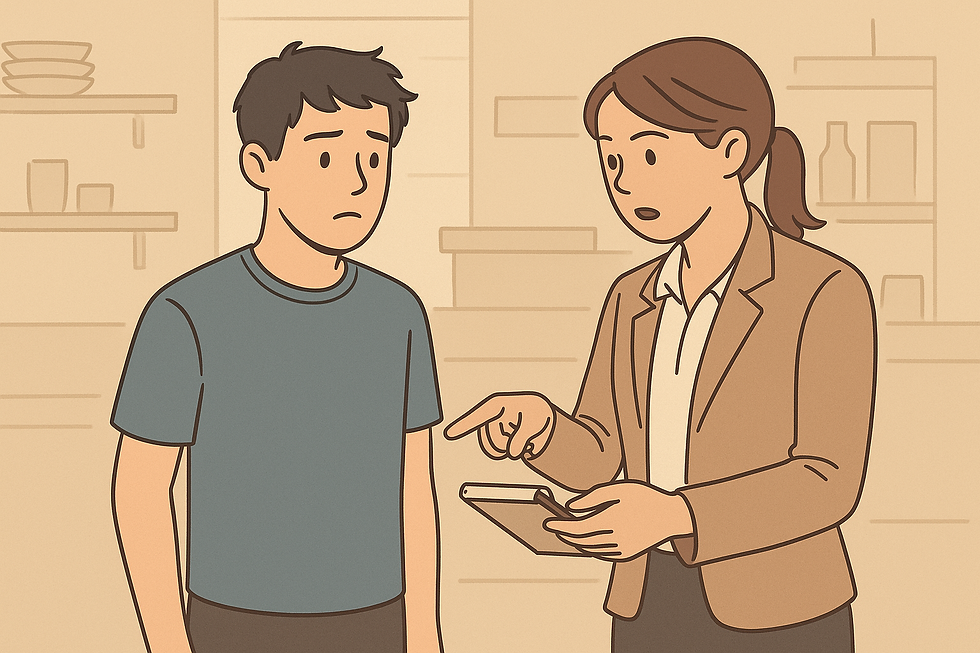
If you’ve been offered a job or trial shift in Ontario, you might be wondering whether the employer is legally required to pay you. Some businesses ask new hires to complete unpaid training or trial shifts — but in most cases, this is against the law.
Here’s what you need to know about your right to be paid under Ontario’s Employment Standards Act (ESA).
✅ You Usually Must Be Paid for Training or Trial Work
In Ontario, most employees are entitled to be paid at least minimum wage while they are:
Being trained while performing duties
Working a trial shift
This applies even if you agreed to work for free, or if the employer calls it “training” or an “internship.” If you’re doing work that benefits the employer, you should be paid for it.
Examples where wages are required:
Learning to use a cash register or filing system
Shadowing staff at a restaurant or retail store
Participating in workplace health and safety training
Operating equipment used in day-to-day work
Even short trial shifts are considered work under the ESA — and work means wages.
⚖️ The Law: Employment Standards Act (ESA)
The Employment Standards Act, 2000 sets out minimum standards for most workers in Ontario, including rules about:
Minimum wage
Hours of work
Overtime pay
Public holidays
Vacation pay
If your job falls under the ESA, then your employer must pay you for all hours worked, including training time and trial shifts.
Some industries have exemptions or special rules, so it’s always a good idea to check with the Ministry of Labour’s official list to see if your position is covered.
❌ When Employers Do Not Have to Pay for Training
There are limited exceptions when an employer does not need to pay you:
1. Voluntary Training Not Required for Your Job
If you choose to take extra training that your employer didn’t require — for example, leadership development or cross-training for another role — they do not have to pay you.
2. Unpaid Student Placements
If you're:
Completing a high school co-op placement
Participating in a college or university program that includes unpaid fieldwork
...your employer is not required to pay you. These types of unpaid roles are permitted by the ESA as part of academic programs.
⚠️ Trial Shifts in Restaurants and Retail
Many workers — especially in food service or retail — are asked to do an unpaid “trial” or “test” shift. This is common but not legal in most cases.
If you're helping with real work (serving customers, preparing food, cleaning, restocking, etc.), you must be paid at least minimum wage for the time you spend doing it.
💡 What to Think About Before Saying Yes to Unpaid Work
If you’re asked to work for free, here are some things to consider:
An employer who won’t pay you for your time may not respect your rights in the future.
Even if you agree to work unpaid, you may still be legally entitled to wages.
You have up to 2 years to file a claim for unpaid wages with the Ministry of Labour.
🧾 How to Make a Claim
If your employer did not pay you for training or a trial shift, you can:
Gather proof, such as:
Employment offer or contract
Time sheets or notes showing hours worked
Any emails or texts about the training or trial shift
Contact the Ministry of Labour
You can file a claim online for unpaid wages
The Ministry may investigate and order your employer to pay you
Seek legal advice
✅ Conclusion: Know Your Rights Before You Start Working
In most cases, Ontario workers must be paid for training and trial shifts, regardless of what the employer calls it. If the job is covered by the ESA, your time is worth wages — plain and simple.
If you're unsure whether your unpaid work was legal or want to recover what you're owed, Situ Legal Services can help:
Review your job offer or employment contract
Help you file a Ministry of Labour claim
Advocate for your workplace rights
👉 Book a consultation today and protect your right to fair pay from day one.


